Transitioning from military service to a civilian career is a mission of great potential. Many top companies actively seek the unique discipline, leadership, and problem-solving skills veterans bring, offering exceptional programs and rewarding pathways to success.
Top Companies with Veteran Hiring Initiatives
Many industry leaders recognize the exceptional value veterans bring to the corporate world, leading to robust veteran hiring initiatives. Companies like Amazon, JPMorgan Chase, and Boeing have established military talent pipelines featuring dedicated recruitment teams, skill translation programs, and impactful mentorship. These programs are not charity; they are a strategic advantage, securing disciplined leaders and problem-solvers. By actively recruiting from this pool, these top firms gain a competitive edge, demonstrating that hiring veterans is both a commendable practice and a brilliant business decision that directly strengthens organizational capability and culture.
Hiring Commitments and Veteran-Specific Programs
Leading corporations are increasingly recognizing the immense value of military veterans, launching targeted programs to recruit this exceptional talent. These **veteran employment programs** actively translate military skills like leadership, resilience, and advanced technical training into corporate success. Companies like Amazon, JPMorgan Chase, and Lockheed Martin don’t just hire; they build dedicated pipelines offering mentorship, skills translation, and robust career pathways. This strategic focus creates a powerful win-win, strengthening company culture with disciplined, mission-driven professionals while fulfilling a crucial commitment to those who have served.
Military Skill Translation and Career Pathways
Leading corporations are actively building military-to-civilian career pathways by launching dedicated veteran hiring initiatives. Companies like Amazon, JPMorgan Chase, and Boeing offer tailored recruitment programs, skills translation services, and robust mentorship to harness the exceptional leadership and problem-solving abilities of former service members. This strategic focus creates a dynamic, loyal talent pool that drives innovation and strengthens organizational culture.
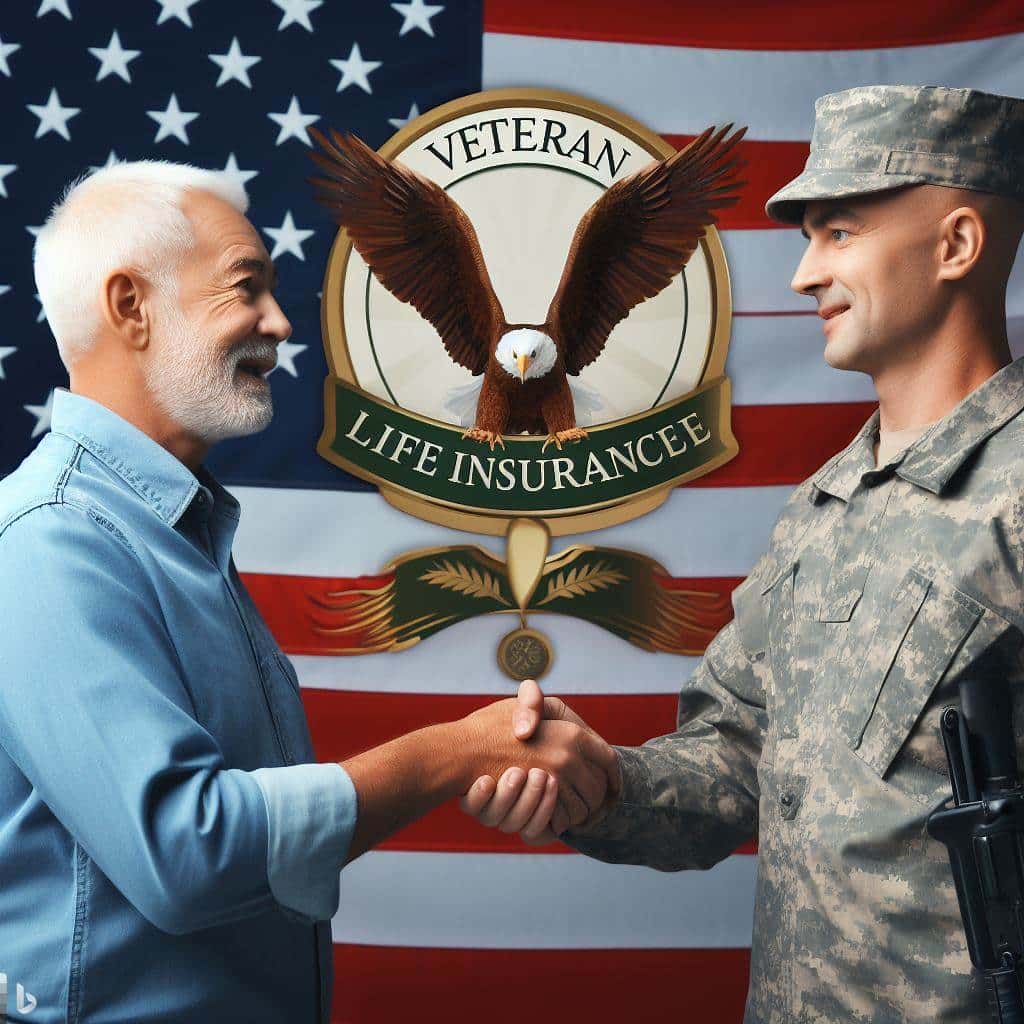
Veterans bring a unique blend of discipline, adaptability, and mission-focused teamwork that is directly transferable to high-performance corporate environments.
These efforts demonstrate a powerful commitment to inclusive hiring while securing top-tier talent for competitive advantage.

Notable Recognition and Awards for Veteran Support
Across the nation, leading corporations are actively building a military-to-civilian talent pipeline. Companies like Amazon, JPMorgan Chase, and Lockheed Martin have made **veteran employment programs** a cornerstone of their corporate citizenship, recognizing the unparalleled leadership and technical skills former service members bring. These initiatives often include dedicated recruitment teams, specialized onboarding, and mentorship, transforming military experience into corporate excellence. This strategic hiring not only strengthens their workforce but also honors a profound commitment to those who have served.
Key Industries for Veteran Employment
Veterans possess exceptional skills that align perfectly with several key industries actively seeking their talents. The defense and aerospace sector offers natural continuity, while logistics and supply chain management benefit from their operational expertise. Information technology and cybersecurity are critical growth areas, leveraging technical training and security clearances. Furthermore, their leadership makes them ideal for first responders and project management roles. These fields provide meaningful careers where discipline and mission-focused experience are tremendous assets.
Q: Which industry most directly utilizes military training?
A: Defense contracting and aerospace, where security protocols and technical skills have immediate, high-value application.
Defense, Aerospace, and Government Contracting

Veterans possess unparalleled skills for high-demand sectors, making **defense contracting** a natural and critical pathway. Their security clearances and technical expertise are invaluable for aerospace, cybersecurity, and logistics roles within this sector. Furthermore, the **skilled trades** offer immediate, well-paying careers in construction, electrical work, and manufacturing where leadership and precision are paramount. The **public service** domain, including law enforcement, emergency services, and federal agencies, actively seeks their discipline and mission-oriented mindset. These industries provide a powerful **transition for veterans** into impactful civilian careers that leverage their unique training and dedication.
Logistics, Supply Chain, and Transportation
Veterans find excellent career paths in several key industries that value their unique skills. The defense and aerospace sector offers a natural transition, with roles in logistics, project management, and systems engineering. Healthcare, especially in nursing and medical technology, leverages their composure under pressure. The high-demand field of cybersecurity actively seeks veterans for their security clearances and analytical minds. Furthermore, the skilled trades in construction and manufacturing provide hands-on, mission-critical work. These industries consistently recognize and reward the leadership and technical prowess that veterans bring to the civilian workforce.

Cybersecurity and Information Technology
Veterans possess unparalleled leadership and technical skills, making them prime candidates for high-demand sectors. The defense and aerospace industry remains a natural fit, leveraging their security clearances and systems expertise. Furthermore, careers in cybersecurity are ideal, where their experience in protecting critical assets is directly transferable. The skilled trades, logistics, and healthcare also offer robust pathways, valuing the discipline and problem-solving abilities forged in military service. These fields provide meaningful, long-term careers that honor their commitment.
Skilled Trades and Manufacturing
Veterans possess unparalleled skills for high-demand sectors, making defense and aerospace contracting a premier career pathway. Their security clearances and technical expertise are instantly valuable in this field. The logistics and supply chain industry also actively recruits veterans for their leadership and complex operational management abilities. Furthermore, careers in cybersecurity, skilled trades, and law enforcement offer natural transitions where military discipline directly translates to civilian success, ensuring a meaningful post-service career.
Resources for Finding Veteran-Friendly Employers
Transitioning from military to civilian careers is an exciting journey, and finding the right employer is crucial. Numerous dedicated resources exist to connect veterans with supportive companies. Key organizations like the Veteran Employment Center on Military OneSource and the U.S. Chamber of Commerce Foundation’s Hiring Our Heroes program offer robust job boards and networking events. Furthermore, seeking out companies consistently recognized on “Best for Vets” lists from Military Times or those with a strong military recruitment focus can lead to fulfilling careers where your unique skills are truly valued and understood.
Dedicated Veteran Job Boards and Platforms
Transitioning service members can target their job search with powerful veteran employment resources. Key platforms include the Department of Labor’s Veterans’ Employment and Training Service (VETS), which connects veterans with meaningful careers, and dedicated job boards like HireMilitary and RecruitMilitary. **Veteran career advancement** is further supported by corporate recognition programs, such as the Military Friendly® Employer list, which publicly highlights companies with proven commitments to hiring veterans. Leveraging these specialized tools can dramatically streamline your path to a rewarding civilian career.
Federal Government and USAJobs Resources
Veterans seeking civilian careers can utilize specialized resources to identify supportive workplaces. The Veterans’ Employment and Training Service (VETS) offers tools and employer listings. Key **veteran job search resources** include the Military Skills Translator on CareerOneStop and corporate career sites with dedicated veteran hiring programs. Professional networks like HirePurpose also connect service members with committed organizations, streamlining the transition to meaningful employment.
Leveraging Veteran Service Organizations (VSOs)
Transitioning to civilian life, a veteran seeks a workplace that values their unique skills and service. Fortunately, dedicated resources exist to bridge this gap. For a powerful **veteran job search strategy**, start with the Department of Veterans Affairs’ Veterans Employment Center, a comprehensive hub listing verified, committed employers. Organizations like Hire Heroes USA and Military.com offer personalized career coaching and curated job boards, connecting service members directly with companies that actively recruit and support veteran talent, ensuring the next mission is a successful one.
Evaluating a Company’s Veteran Support
When evaluating a company’s veteran support, look beyond a simple hiring statement. Dig into their actual programs, like dedicated mentorship, skills translation help, and strong employee resource groups. Check if their military-friendly culture is genuine, offering real flexibility and understanding for guard and reserve duties. A veteran-inclusive workplace shows commitment through retention rates and leadership pathways, not just recruitment. It’s about seeing if they provide meaningful support that helps veterans thrive long-term, making it a key part of their corporate social responsibility and a great sign of a healthy company culture.
Assessing Mentorship and Onboarding Programs
Evaluating a company’s veteran support is crucial for assessing its true commitment and inclusive workplace culture. Look beyond basic hiring pledges to examine mentorship programs, veteran employee resource groups, and dedicated career pathways. A dynamic evaluation scrutinizes retention rates, leadership representation, and partnerships with military transition organizations. This holistic view reveals whether support is a performative statement or a foundational value that actively leverages unique military skills for organizational strength.
Importance of Employee Resource Groups (ERGs)
Evaluating a company’s veteran support is essential for assessing its authentic commitment to a military-friendly workplace culture. Scrutinize beyond basic hiring pledges to examine retention programs, dedicated mentorship, and the tangible advancement of veteran employees into leadership roles. A robust evaluation should measure the utilization of military skills translation and the availability of specialized mental health and career development resources. This due diligence reveals whether an organization offers genuine, long-term value to the veteran community or merely engages in superficial recognition.
Reviewing Benefits and Continued Education Support
Evaluating a company’s veteran support goes beyond a simple hiring statement. A veteran-friendly workplace culture is shown through dedicated recruitment programs, strong ERG groups, and skills translation for military resumes. Look for clear career advancement paths, mentorship pairings, and robust benefits that address unique needs, like support for PTSD or military spouse employment. This commitment not only honors service but builds a loyal, skilled, and resilient workforce that benefits the entire organization.
Success Stories and Career Transition Tips
Success stories often highlight individuals who leveraged transferable skills, strategic networking, and targeted upskilling to pivot into new fields. For effective career transition, begin with a thorough self-assessment to identify your core competencies. Next, pursue relevant certifications or training to address skill gaps. Building a strong professional network is crucial, as many opportunities arise through referrals. Tailor your resume to emphasize adaptable achievements, and consider informational interviews to gain insider perspectives. A successful mid-career shift requires patience and a proactive learning mindset, transforming perceived obstacles into a compelling narrative for future employers.
Networking Strategies for Veteran Job Seekers
Many find their greatest professional success after a daring pivot. Consider the teacher who mastered coding, transforming a passion for problem-solving into a thriving tech career. These journeys highlight that transferable skills like communication and project management are invaluable currency. For a smooth career transition, begin by auditing your abilities and identifying growth industries. **Leveraging transferable skills for career growth** is the cornerstone of reinvention. Network authentically, pursue targeted learning, and view each step as progress, not perfection.
Q: How do I start if I feel completely stuck?
A: Start with a single, small action—informational interviews are powerful. Ask one person about their role; their story can unlock your next step.
Effectively Translating Military Experience on a Resume
Success stories often highlight the power of transferable skills during a career change. These narratives demonstrate how professionals strategically leverage existing experience in a new industry, providing both inspiration and a practical blueprint. For effective career transition tips, a methodical approach is key. Strategic career pivoting begins with a thorough self-assessment of your skills and passions, followed by targeted networking and upskilling through courses or certifications to fill any gaps in your new desired field.
Preparing for Corporate Interviews
Success stories often highlight strategic career pivots, demonstrating how Best companies for veterans transferable skills unlock new opportunities. These narratives provide both inspiration and a practical blueprint for change. For individuals seeking guidance, actionable **career transition strategies** are essential. Key steps include conducting a thorough skills audit, targeting growing industries, and strategically networking. A proactive approach to professional development significantly increases the likelihood of a successful and fulfilling career change.
